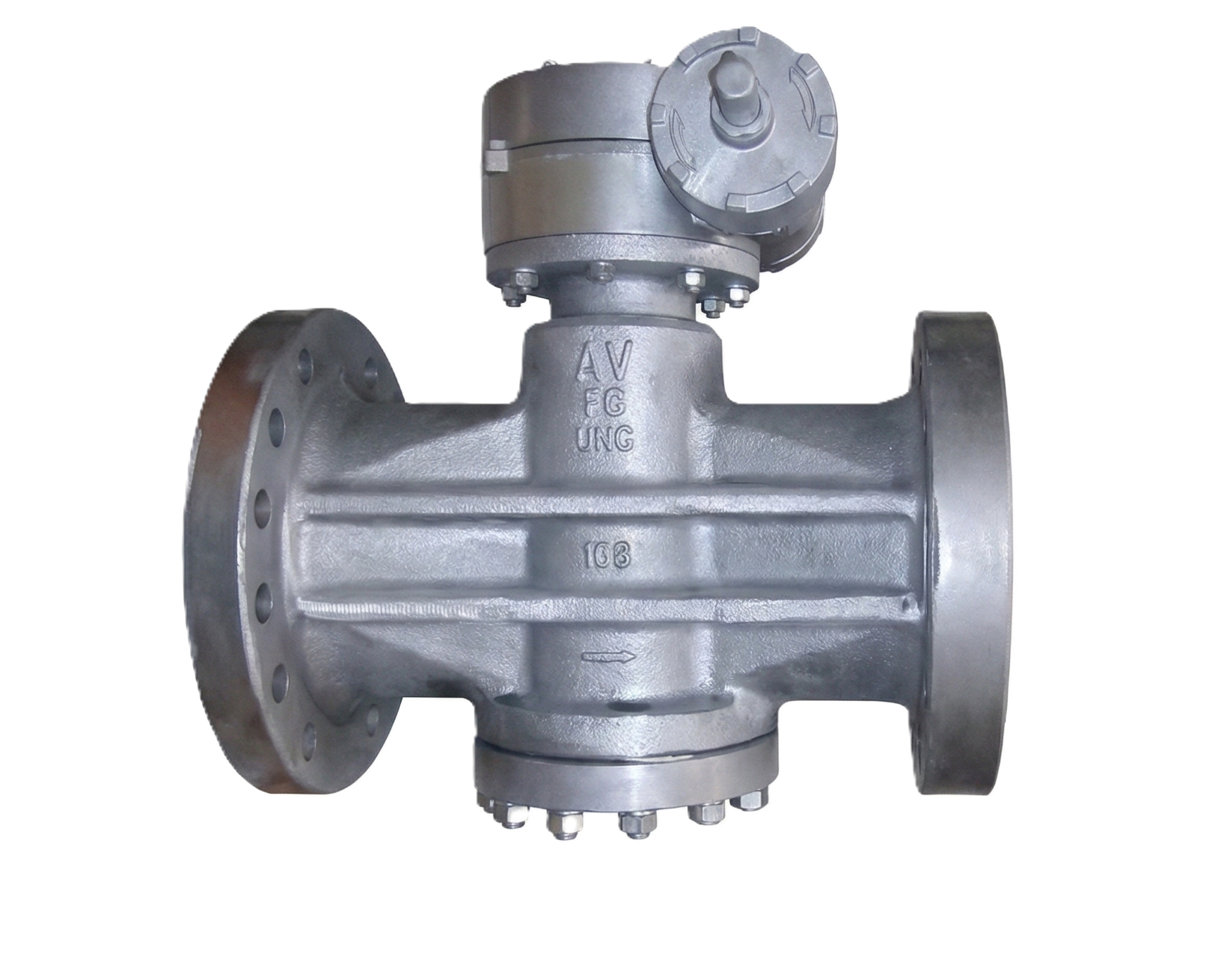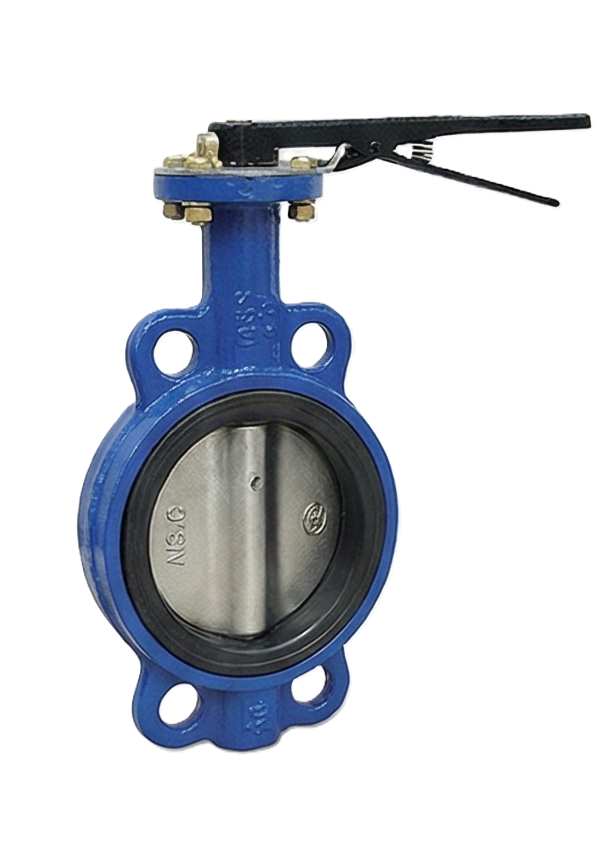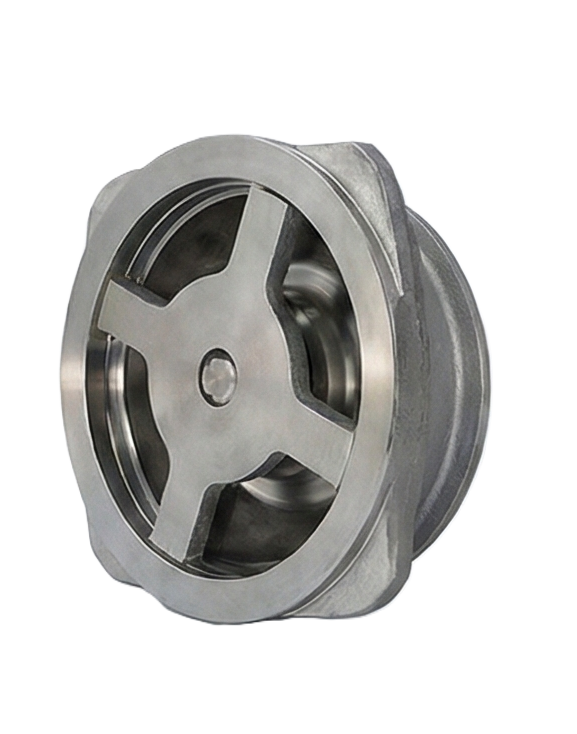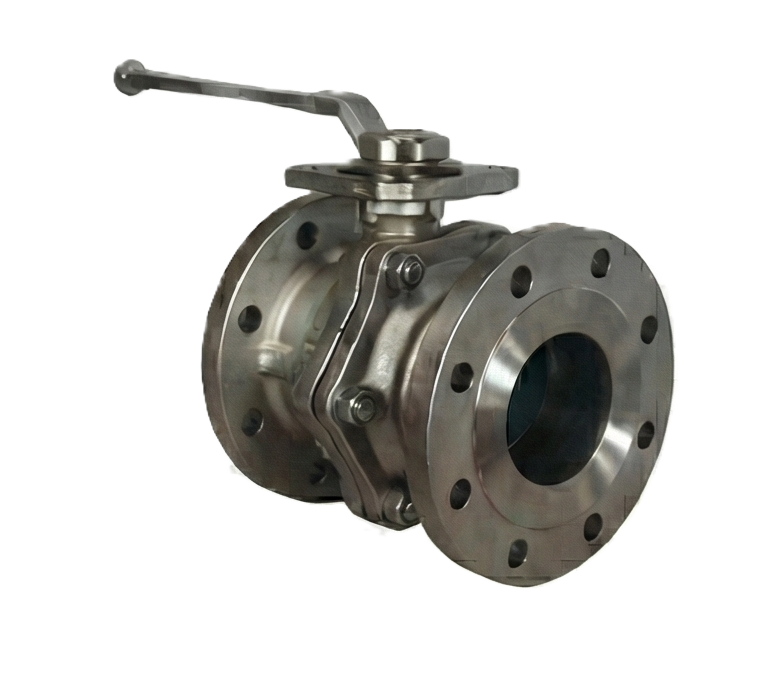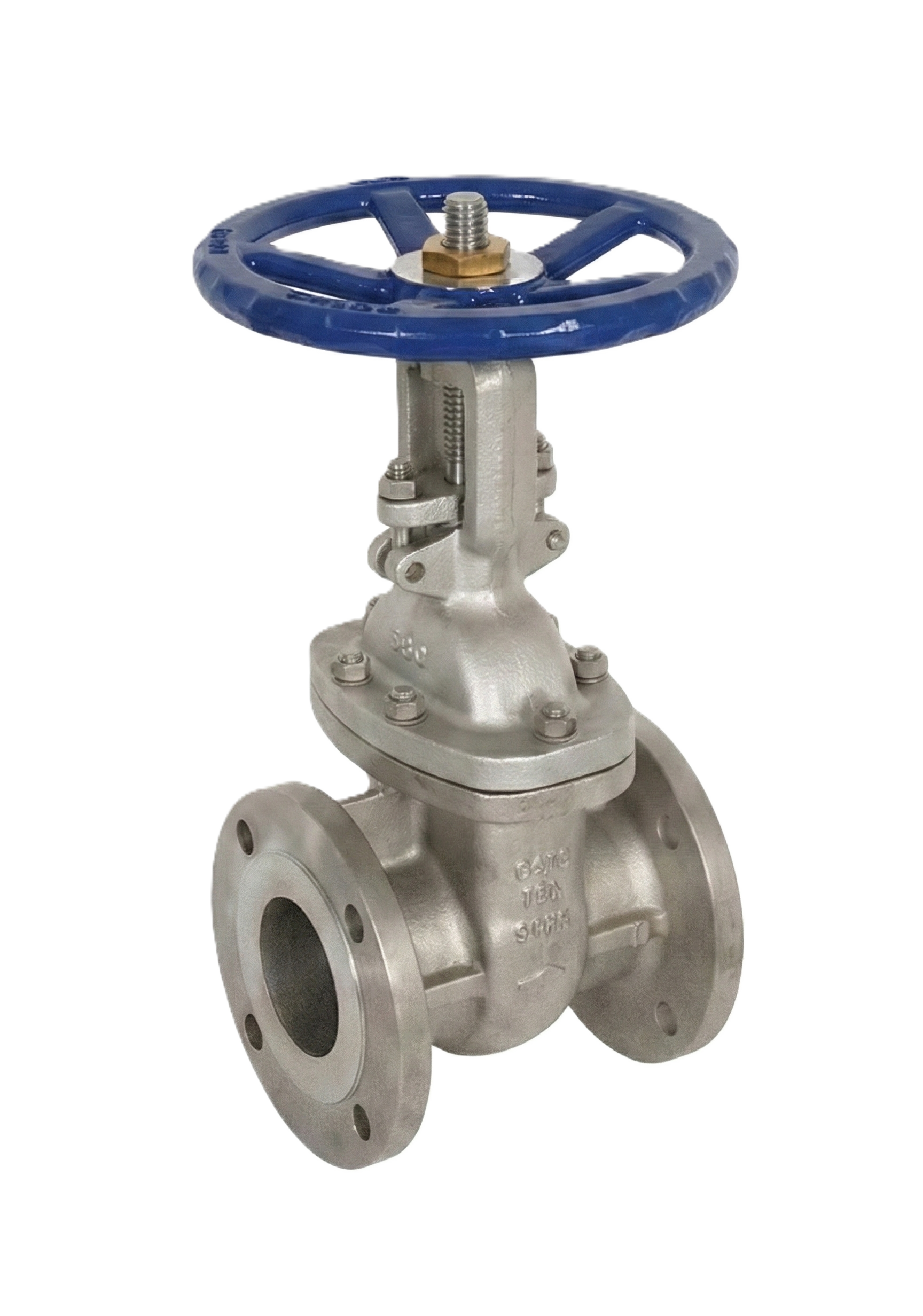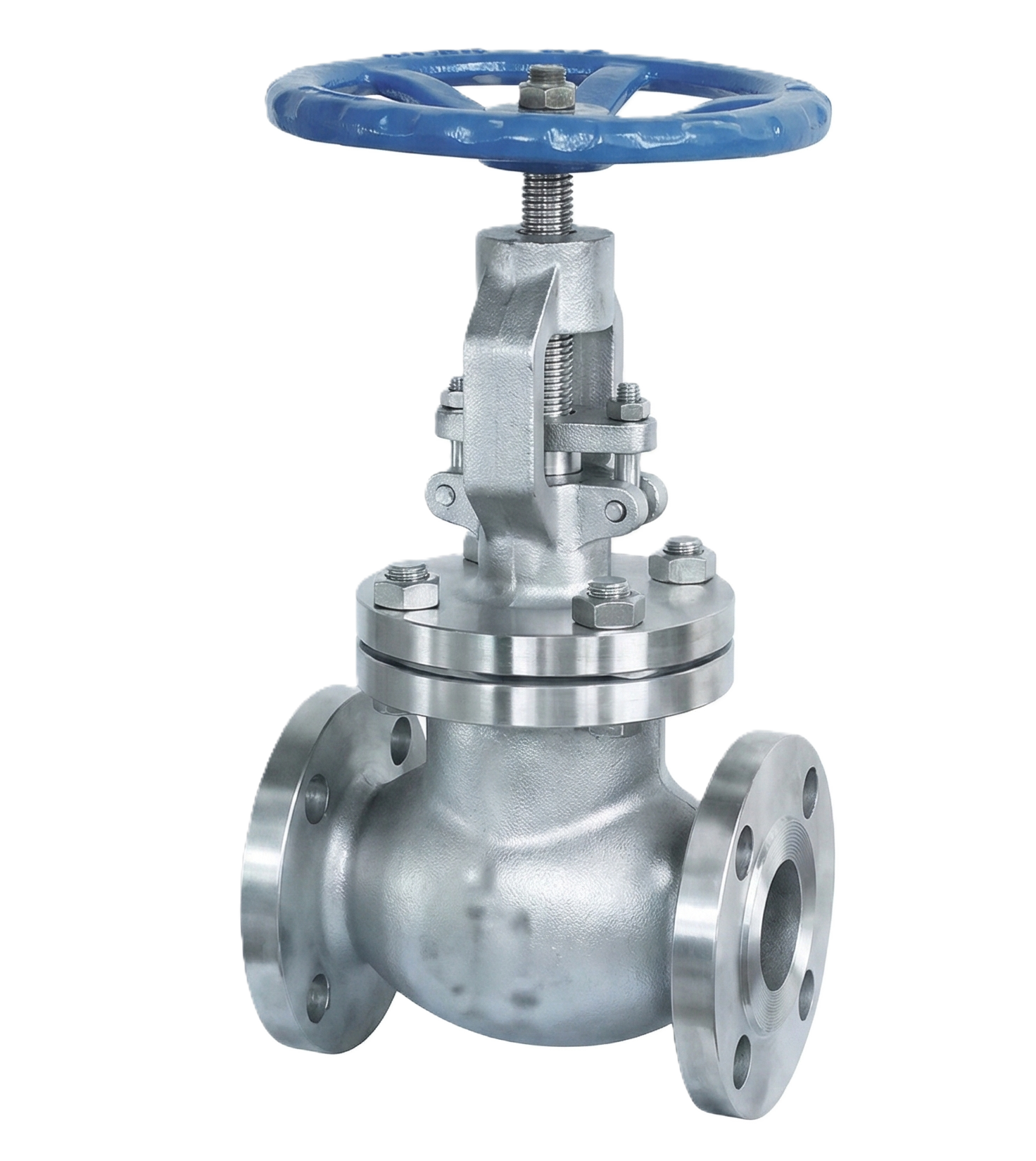
We are manufacturers of industrial valves.We “MASQ Engineers” are a prominent firm that is engaged in Manufacturing of a wide range of valves meant for large scale industries.We have a comprehensive range of products which can serve your extensive needs. Our product range includes Check Valves, Ball... Read more
contact us
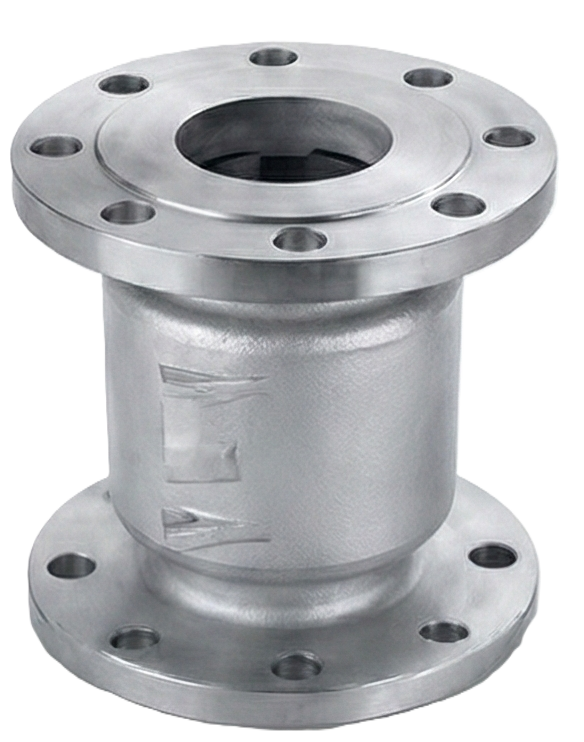
| Feature | Description |
|---|---|
| Body Construction | Aluminum, Carbon Steel, or Stainless Steel |
| Blade Material | 304/316 Stainless Steel (Hardened for abrasive materials) |
| Seals | Teflon (PTFE), Polyurethane, or High-Temp Braided Rope |
| Drive Options | Manual (Hand Slide/Handwheel), Pneumatic, or Motorized |
| Shapes | Square, Rectangular, or Round apertures |
Applications:-
Slide gate valves are essential in industries dealing with dry bulk solids:
Operational Advantages:-
The simplicity of the slide gate valve makes it one of the most cost-effective solutions for dry material handling. It is designed for high-cycle environments, where the blade can quickly "slide" to stop flow instantly. Additionally, many models feature "self-cleaning" action where the blade pushes material away from the seals as it closes, reducing maintenance downtime.